

Institute of Coding Badging Project

- About
- The Badging Platform Architecture
- Alignments and Criteria Skills
- Solid Integration
- The Badging Platform Website
- IoC Blockchain Badges
- Claiming IoC Badges with third-party Open Badges
- IoC Skills Bootcamps
- Live Experimentation
- Adoption and Scale
- Sustainability and Retirement
- Links
- Ongoing Validation of Badges
- Team
- Publications
About
The Open University (OU) was a major partner in the UK’s Institute of Coding (IoC), an exciting, national initiative, launched in 2019 and led by the University of Bath, supported by theme leaders Aston University, Coventry University, the Open University and Queen Mary University of London. The Institute brought together a range of universities, industry, training providers and professional bodies to address the UK’s digital skills gaps.
The IoC badging project, at the Knowledge Media Institute (KMi) of The Open University, was developed under government funding for Institute of Coding and supported Universities and organizations through the process of designing, managing and issuing IoC backed badges. They worked collaboratively with organizations to set up and run badging for IoC related events.
The Badging Platform Architecture
They delivered IoC Badging through an innovative, blockchain backed, badging platform and website. The role of the blockchain was to support secure verification of badge contents using decentralised infrastructure.
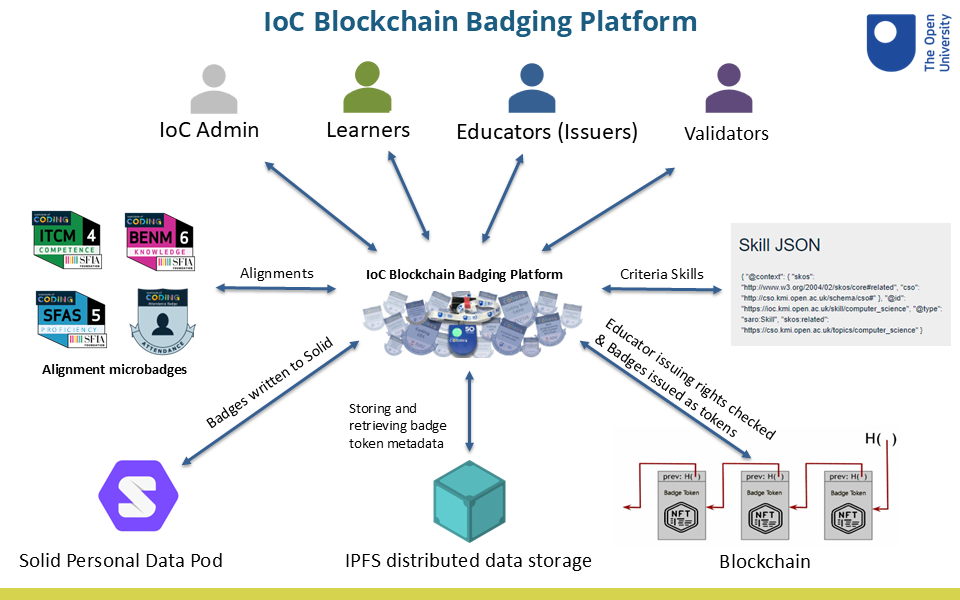
Figure 1 – IoC blockchain badging platform
We will go through the different aspects one at a time below.
Alignments and Criteria Skills
The IoC accreditation standard aimed to create a new way to develop the digital skills that people would need at work and beyond. It was codesigned with the industry to create a new standard that would tackle the digital skills gap.
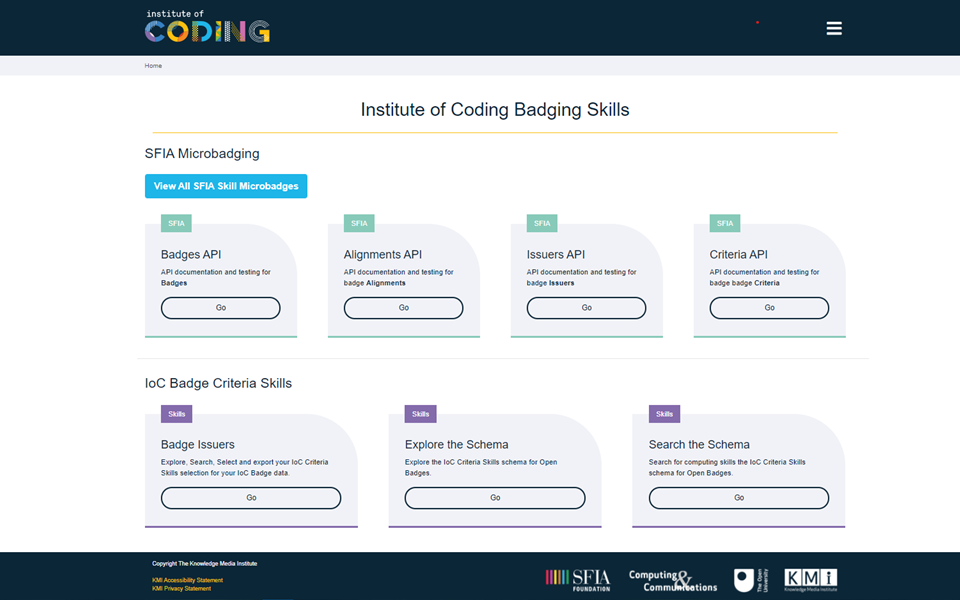
Figure 2 – IoC Alignments and Skills platform
As part of this standard, IoC Badging alignments were created in terms of micro-badges for knowledge and competencies in SFIA skills, that IoC issued Open Badges would align to. These micro-badges were designed using the Open Badges schema and issued to the project’s local blockchain.
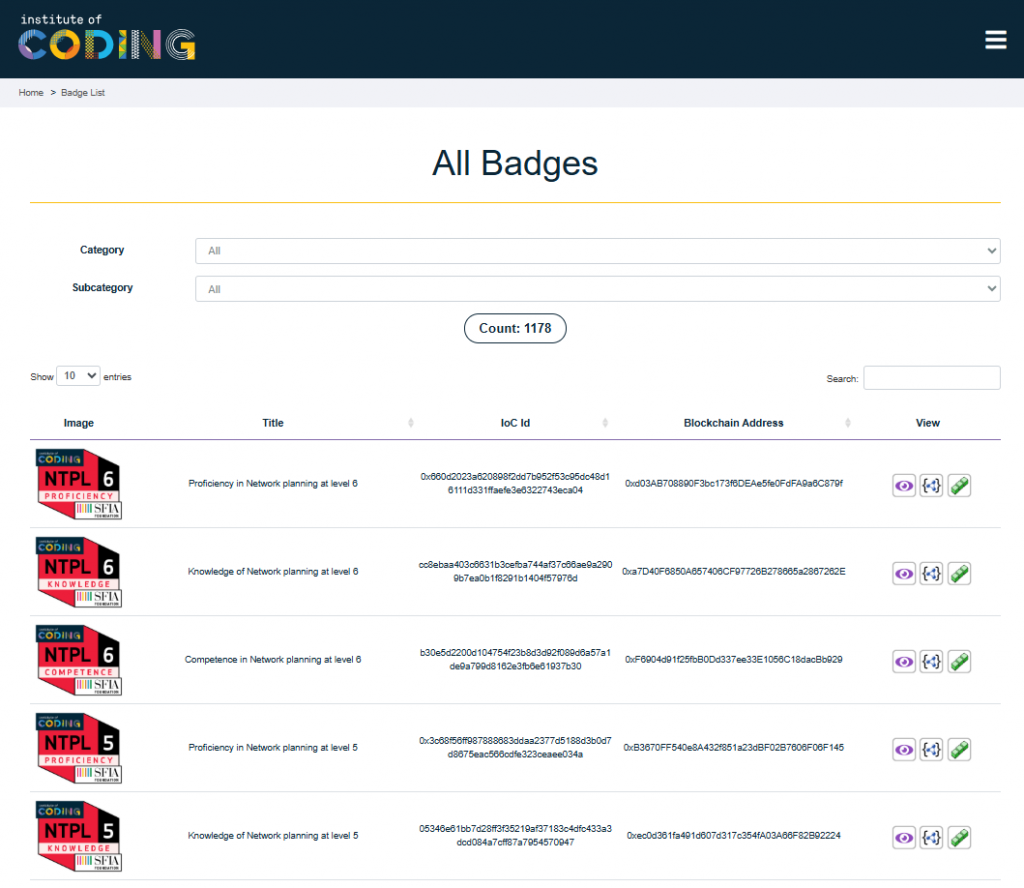
Figure 3 – IoC Alignments micro badges
During the initial IoC project however, issued badges were in reality aligned to a lighter set of Gateway alignment micro-badges, described in more detail later on in the section Gateway Badging Alignment Types.
During the IoC Badging project they extended the basic Open Badges schema to add the expression of skills earned to the criteria of a badge.
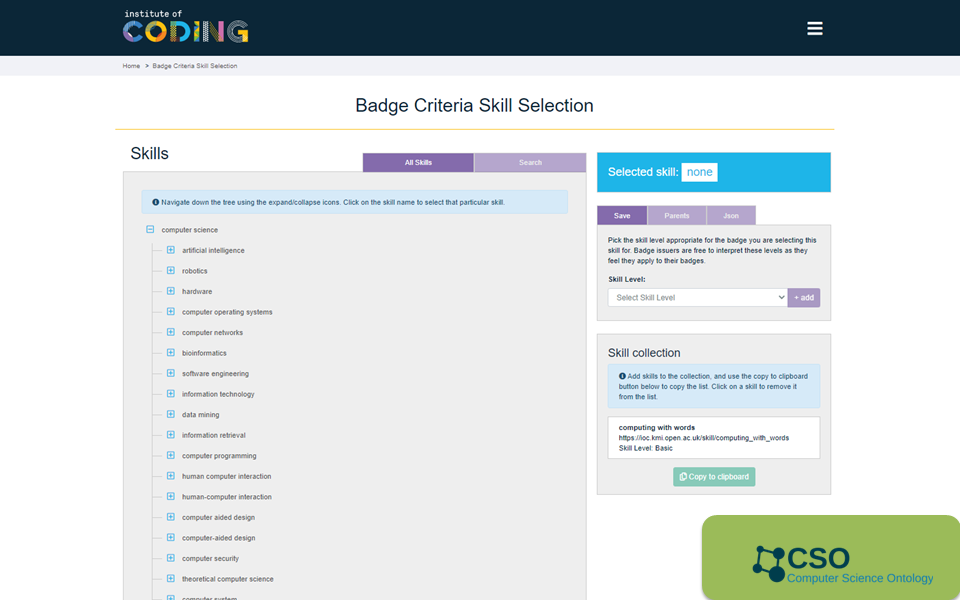
Figure 4 – IoC Skills picker
Issuers could select and attach multiple skills to a badge. the skills where extended from those found in the Computer Science Ontology (CSO).
Solid Integration
Solid is an open platform, championed by Sir Tim Berners-Lee, for personal data storage and knowledge graphs, offering individual privacy-controlled spaces (“pods”) to maximise user sovereignty over their own data.
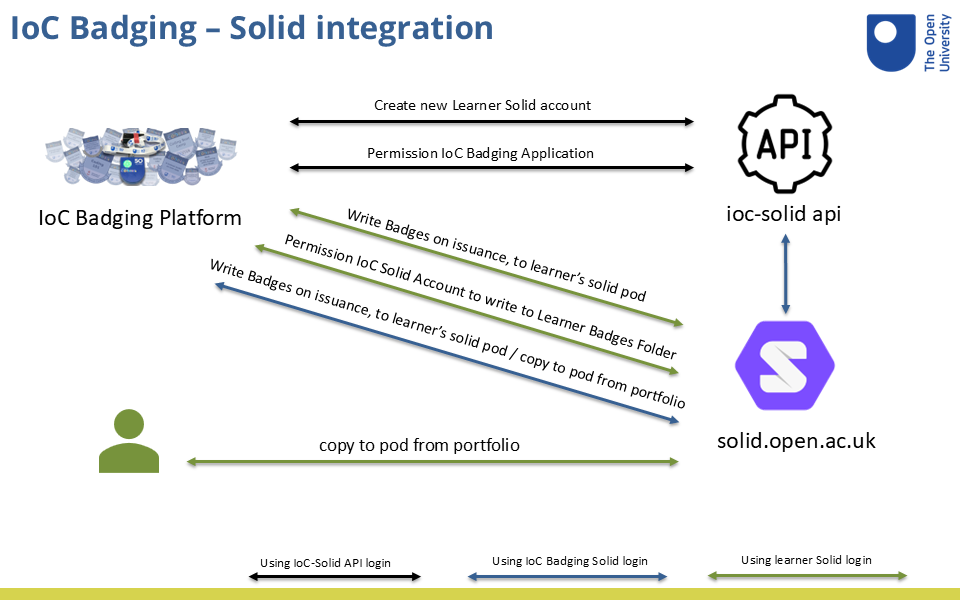
Figure 5 – IoC Badging Platform – Solid integration
Solid was integrated with the IoC Badging platform to give badge recipients a file store for their badges. Solid pods where created dynamically for each badge recipient through an API, as illustrated above. Students were then given the opportunity to claim their Solid pods:

If they chose to claim their pod, they were emailed their default password so they could replace that and take over control of their pods. They were also asked, as part of the process, if they would allow the platform to keep adding future badges to their pods. If they agreed, IoC badging Solid account was permissioned to be allowed to write future badges to their pods.
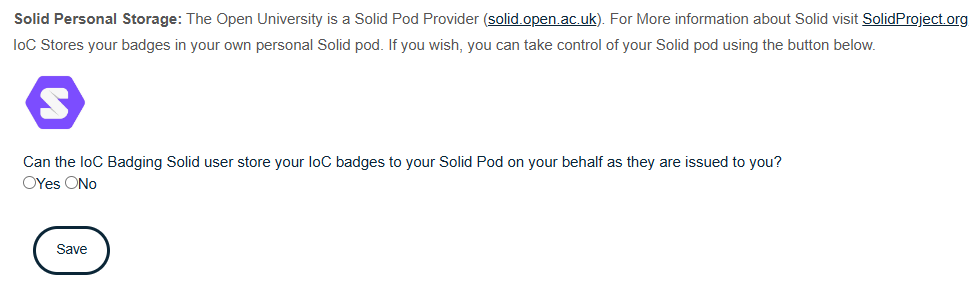
See figure 9, for how the Solid features were presented to badge recipients on their portfolio page.
The Badging Platform Website
A web interface was built to allow approved Issuers to issue IoC badges to students and for those students (Badge Recipients) to be able to view and download their badges.
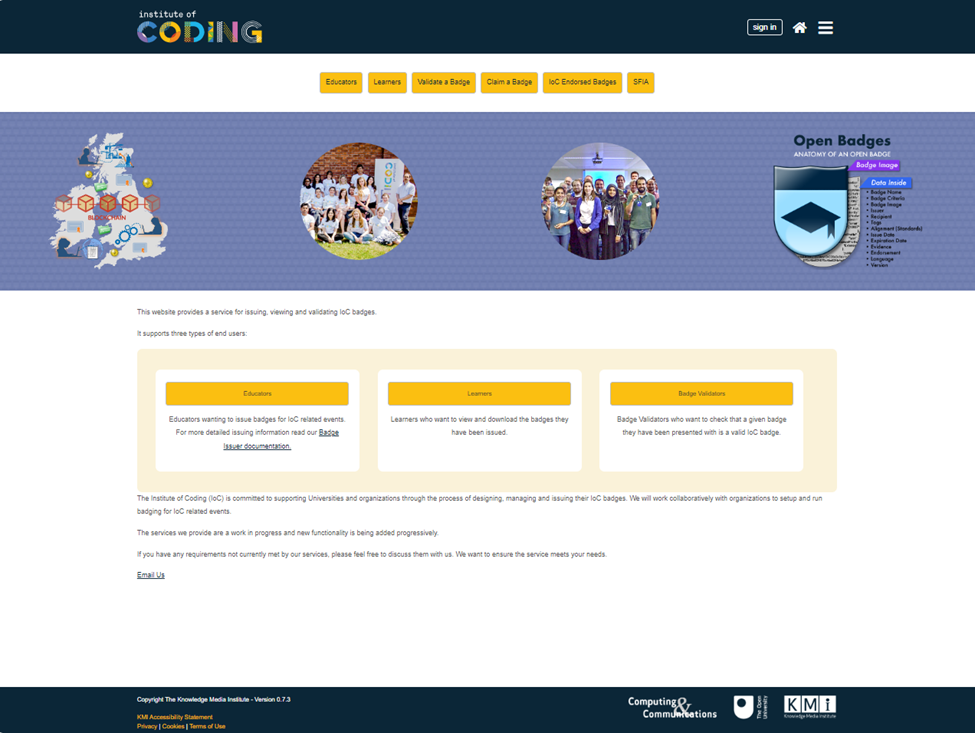
Figure 6 – IoC badging website homepage (not logged in)
Badge Issuers
All IoC approved Issuers, participating in the initial research, were given a login account to the IoC Badging platform.
Using the website or the API, issuers could:
- Create Issuer Profiles for issuing badges against.
- Create and manage badge types and their badge images.
- Create organisations and events that would be used in badge definitions.
- Create recipients individually or in bulk via CSV, and manage grouping of recipients.
- Issue badges and manage revocations
- See statistics.
Below you can see an example of the Issuer Administration homepage:
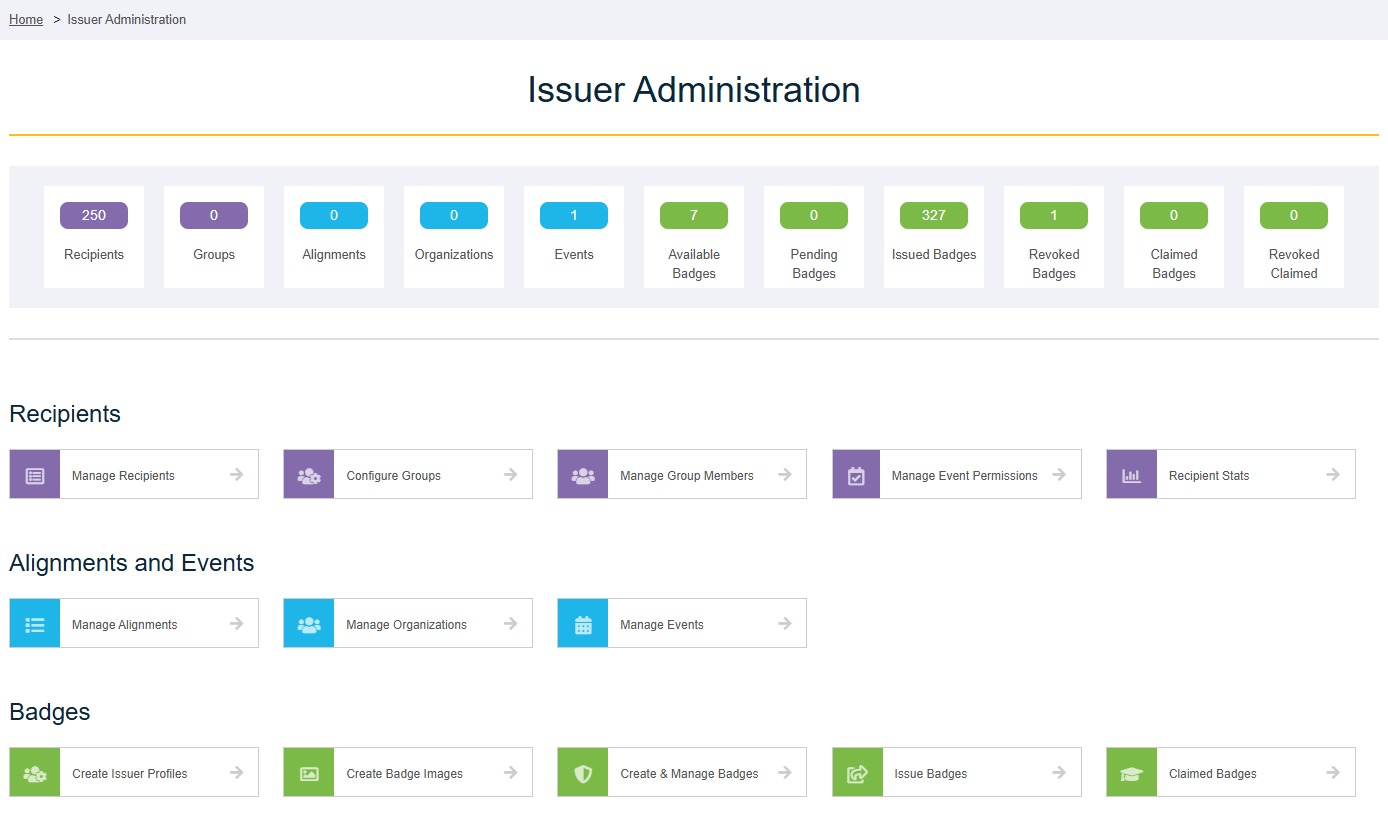
Figure 7 – Badge Issuer Administration homepage
Below is the Badge Image creation page with the Attendance Badge type selected by default:
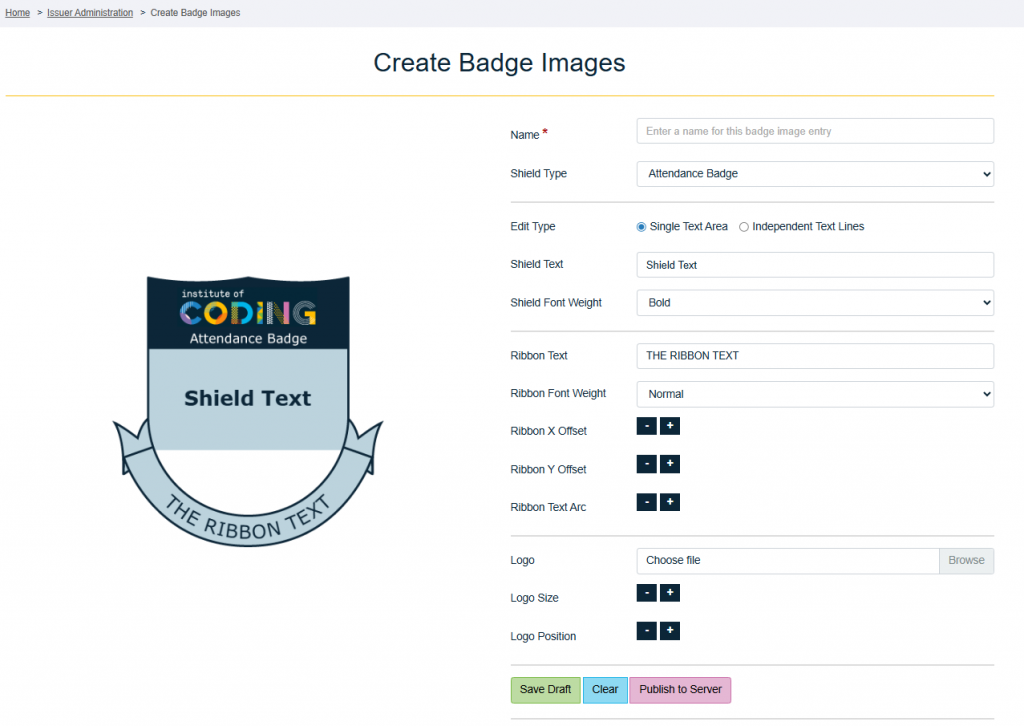
Figure 8 – Badge Issuer – badge image creation page
Badge Recipients
Badge recipients were able to login to the website and:
- View a personal portfolio.
- Download blockchain-verified or traditionally verified badge files.
- Validate badges by uploading the image and confirming the email identity.
- Claim IoC badges automatically when holding qualifying external Open Badges.
Below is an example of a Badge Recipient’s Portfolio page.
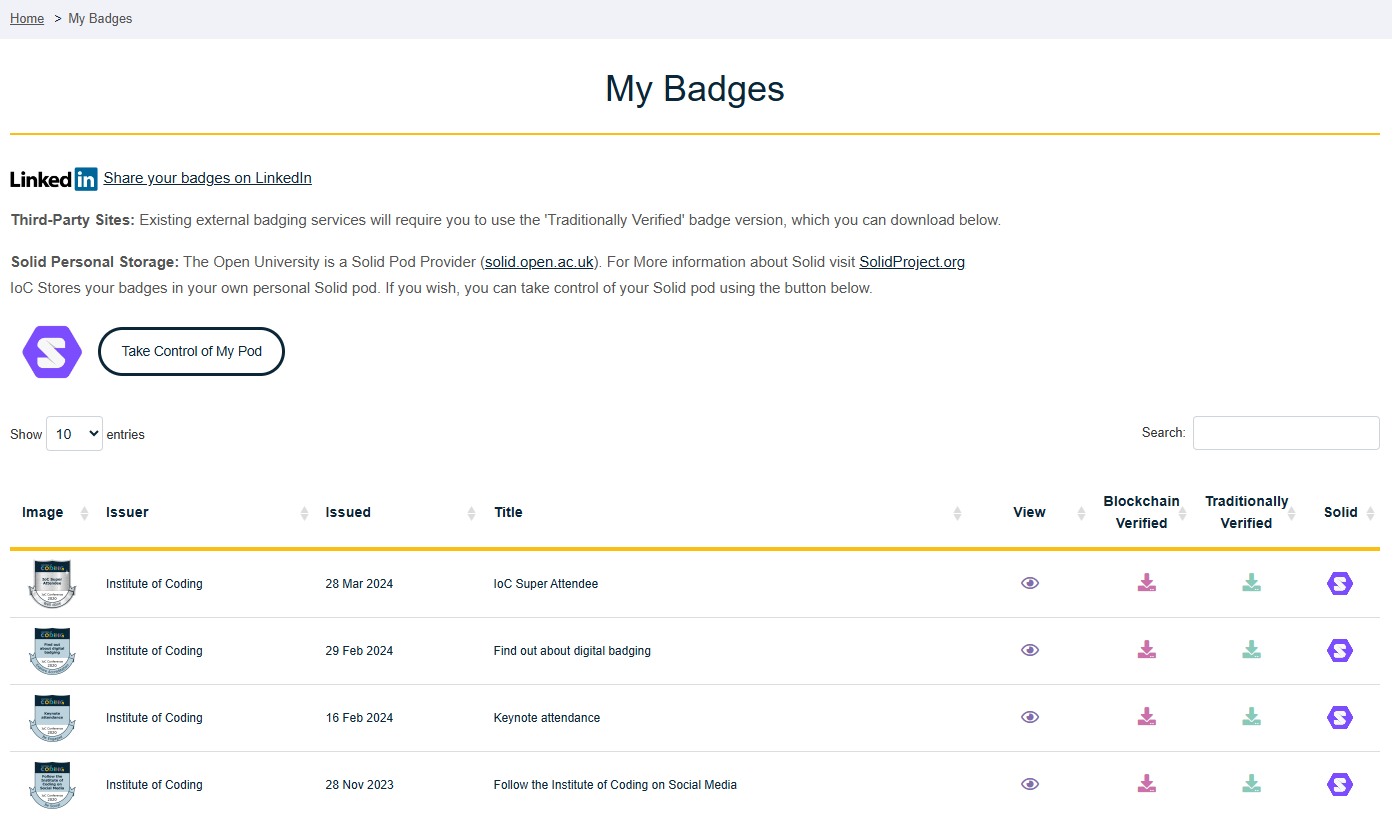
Figure 9 – Main section of the Badge Recipient homepage
Badge Validators
The IoC Badging platform provided an independent verification page and API endpoint that supported third parties who needed to check a badge’s validity without having an account on the platform.
They needed access to the badge file, and they needed to separately obtain and confirm the email address of the person who was claiming ownership of the badge.
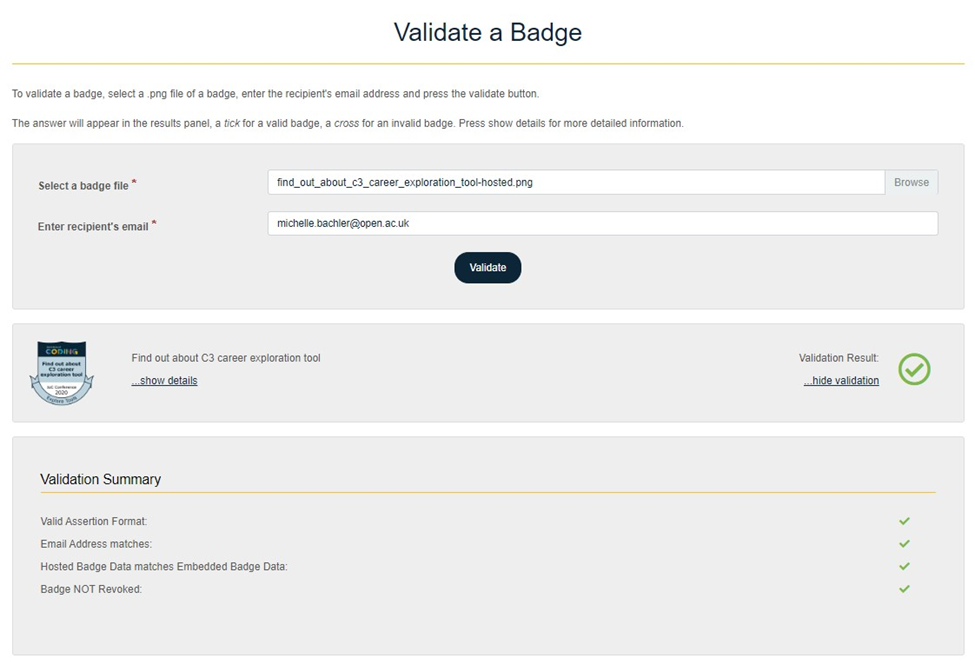
Figure 10 – IoC Badge Validation page
IoC Blockchain Badges
Gateway Badging Alignment Types
The IoC badging platform supported the following gateway badging alignment types:
- Attendance – This badge represented attendance of an Institute of Coding related event. To earn this badge the recipient must have attended an Institute of Coding related event.
- Community Service – This badge represented community service actions around an Institute of Coding theme. To earn this badge the recipient must have performed a community service around an Institute of Coding theme.
- Knowledge Self-Assessed – This badge represented knowledge of an Institute of Coding domain. To earn this badge the recipient must have self-assessed their knowledge of an Institute of Coding domain set by an event or course.
- Knowledge Bronze – This badge represented a basic knowledge of an Institute of Coding domain. To earn this badge the recipient must have shown evidence of a basic knowledge of an Institute of Coding domain.
- Knowledge Silver – This badge represented an intermediate knowledge of an Institute of Coding domain. To earn this badge the recipient must have shown evidence of an intermediate knowledge of an Institute of Coding domain.Knowledge Gold – This badge represented a confident knowledge of an Institute of Coding domain. To earn this badge the recipient must have shown evidence of a confident knowledge of an Institute of Coding domain.
- Super Badge – This badge represented an additional, non-academic, reward for attaining multiple other badges at an Institute of Coding related event. To earn this badge the recipient must have completed a set of Institute of Coding badges.

Attendance Badges required the following considerations:
- Courses that required the student to be present at the training for a specified length of time e.g. 80% of the time for a week long course; 100% of the time for a 1 day course. This should be specified in the badge information on the digital badge webpage
- Online courses that required the student to complete the course. There should be consideration given to whether it is possible for students to appear that they have completed the course without engaging with it properly. For example, some platforms allow users to self-declare that they have completed a unit etc. If there is a risk of this, then there should be some checks introduced that would avoid this possibility
- How does the Digital Badge issuer know that a student has completed the course?
Knowledge Badges required the following considerations:
Knowledge badges needed to be assessed – completion alone was not sufficient as that did not differentiate from attendance. To be awarded a knowledge badge:
- The course details on the digital badge website should clearly explain how this course will be assessed
- What is the pass rate or notion of success for each assessment (and for the course overall)
- How is this monitored? How does the student demonstrate this?
- It must be accepted that students might not pass and may need to repeat the course
- If a student does not pass, but continues, can they be awarded an attendance badge?
- If a student gains an attendance rather than a knowledge badge how might this impact the award of a super-badge?
- Providers must provide the details of every unit of assessment for each course, indicating pass level
Knowledge Badge levels
- Providers needed to clearly indicate why a course is e.g. silver rather than bronze. That included the level at which the training was aimed, in addition to the way that it was assessed
- It was expected the higher-level badges, especially gold, to mainly have e.g. exam-type assessment
Examples of the gateway badge alignment types applied to badges:

There was an IoC badging panel that assessed the knowledge badges submitted for consideration. Attendance, Community Service and Super badges could require panel assessment if they were not obviously related to an IoC theme and therefore require further approval.
Claiming IoC Badges with third-party Open Badges
In 2020 the IoC Badging platform added the capability to automatically claim certain IoC badges based on providing previously earned third-party badges. This feature was trialled with an OpenLearn badge for the Digital thinking tools for better decision making course.

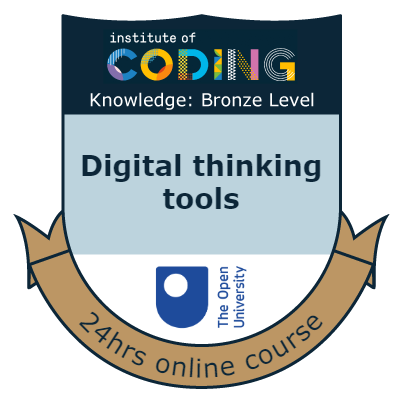
To make a claim for an IoC badge, users had to upload their OpenLearn badge in a special Claims page on the platform. Clicking the “check claimable” button would then check that the external badge uploaded was one that had an associated claimable IoC badge. Strick domain matching and badge content details matching was used.
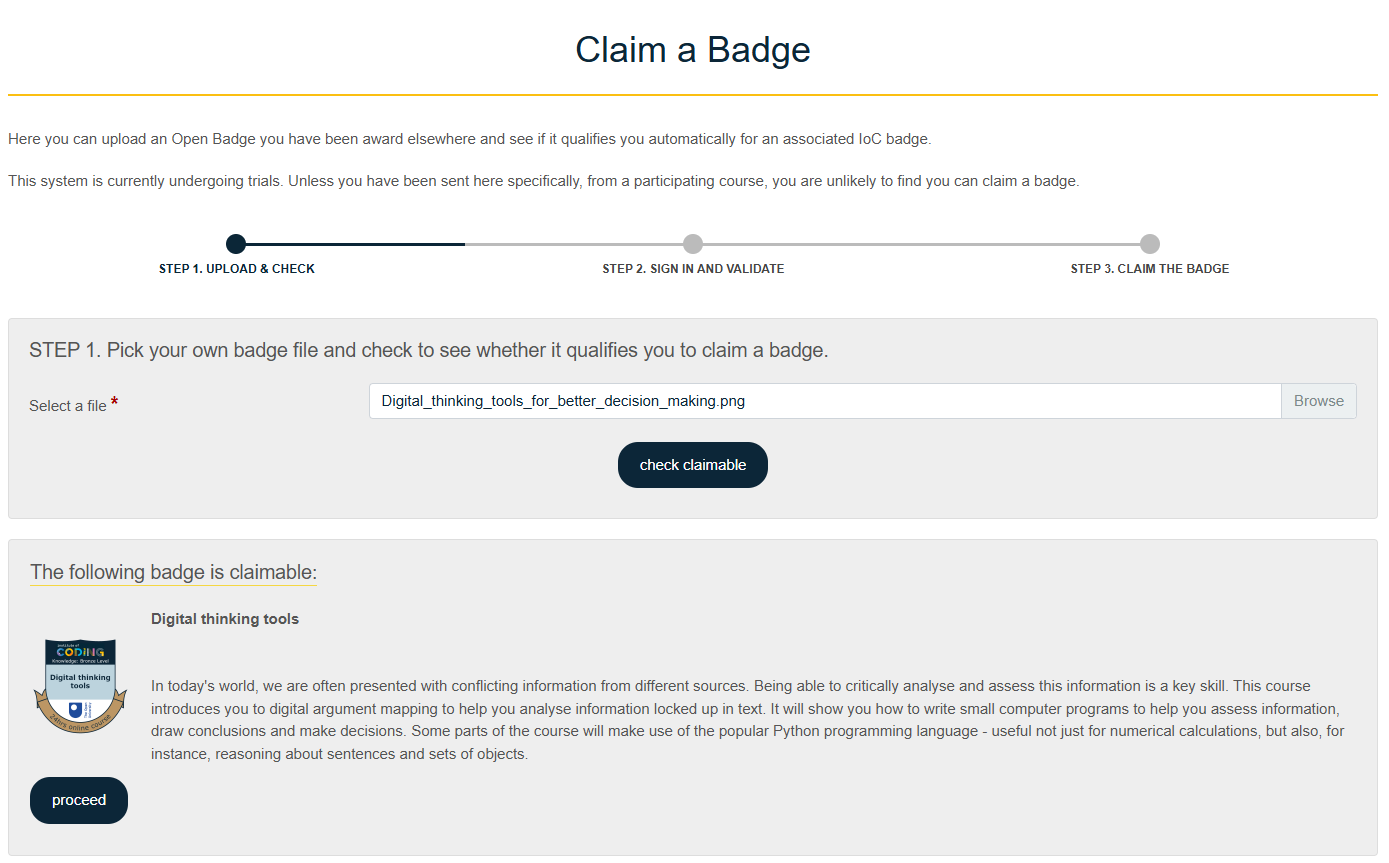
If the third-party Open Badge was deemed to have an associated IoC claimable badge on the platform, then the user would be asked to proceed and then enter the email address the third-party badge was issued to. That email address was then validated against the badge.
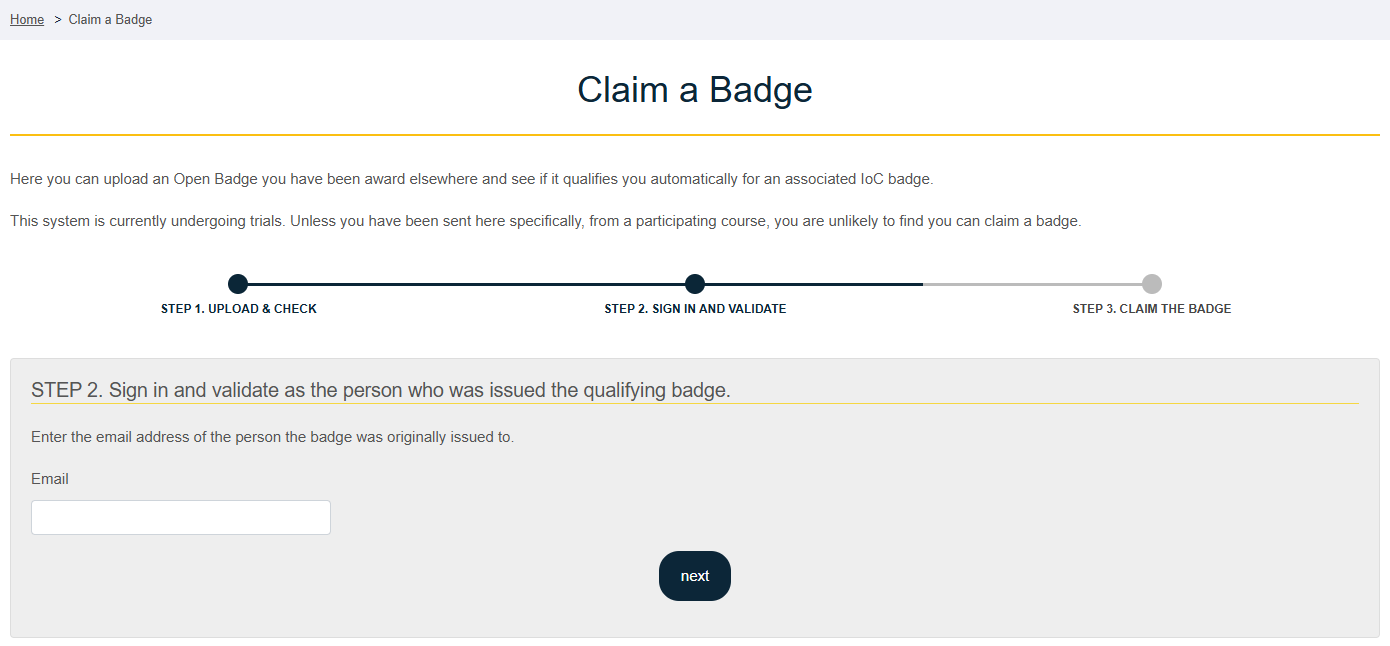
Assuming it matched the emailed address the badge was issued to, the email address was then checked against the platform for an existing user account. If the email address had an existing account on the platform, the user would be asked to login, otherwise they would be guided through the standard account creation, which included validation of the email address.
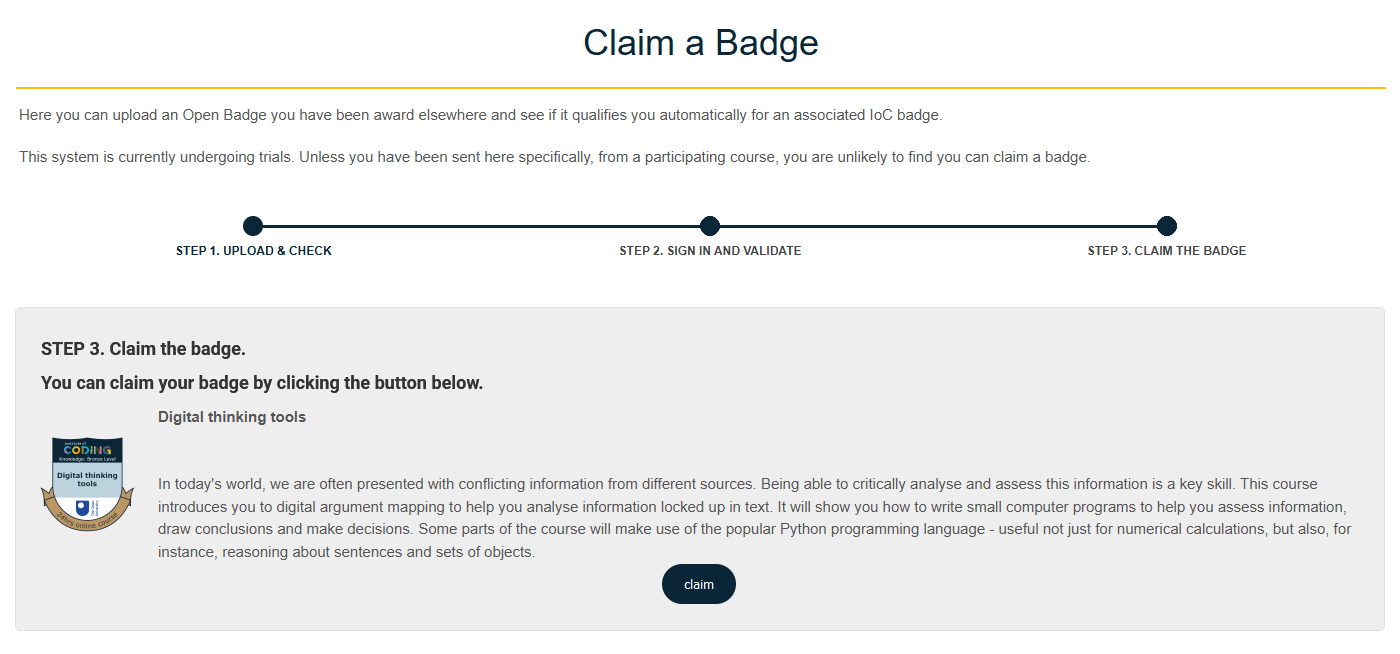
Once all checks had been completed, the user could claim their IoC badge.
IoC Skills Bootcamps
In 2021, the IoC consortium was announced by the Government as a provider for the Department for Education’s (DfE) Skills Bootcamps. Skills Bootcamps were flexible courses of up to 16 weeks that gave people the opportunity to build up sector-specific skills and fast-track an interview with a local employer. They were developed as part of the Government’s Lifetime Skills Guarantee, helping everyone gain skills for life.
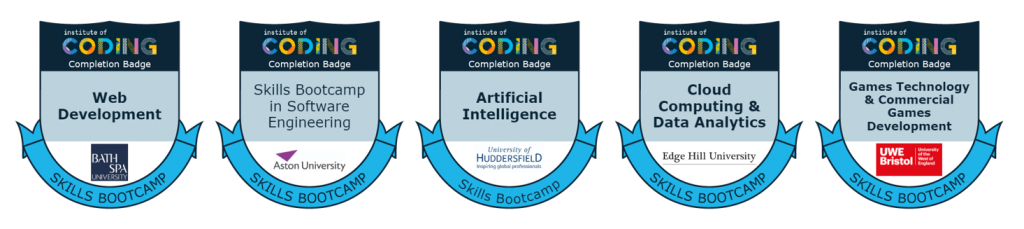
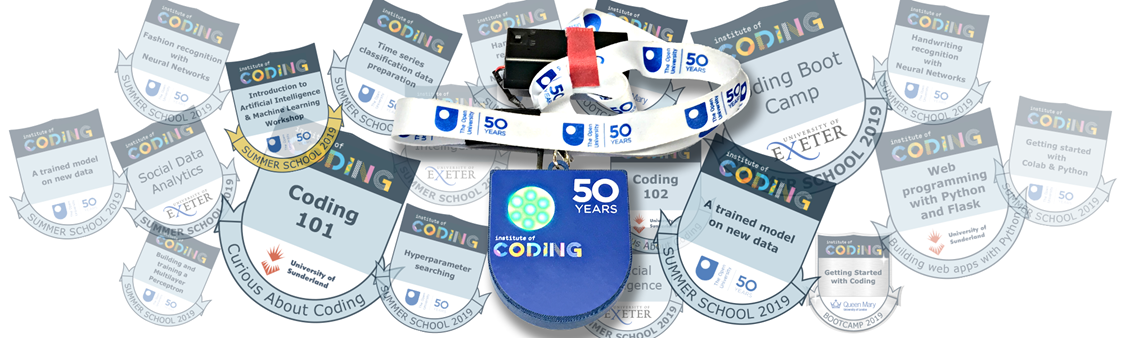
The Knowledge Media Institute received some follow-on funding to support the new Skills Bootcamps. We designed a new bootcamp badge template to support educators in providing digital badging for their bootcamps. Here are a few of the badge types created for the Skills Bootcamps:
Live Experimentation
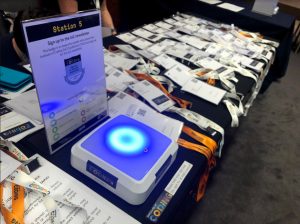
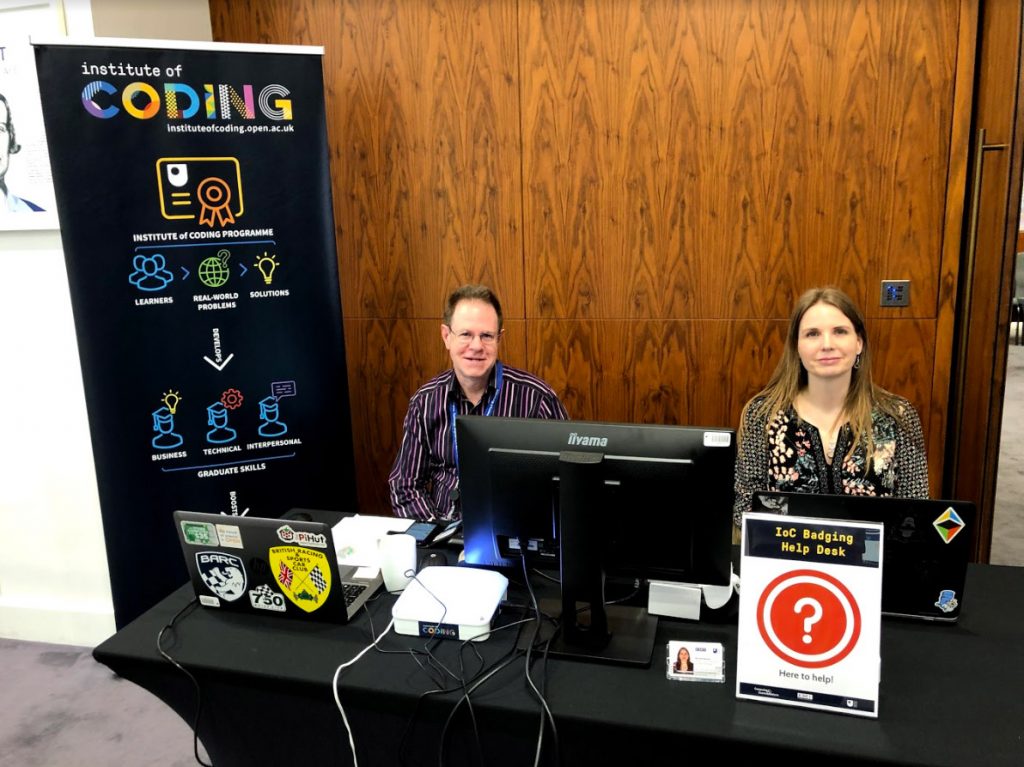
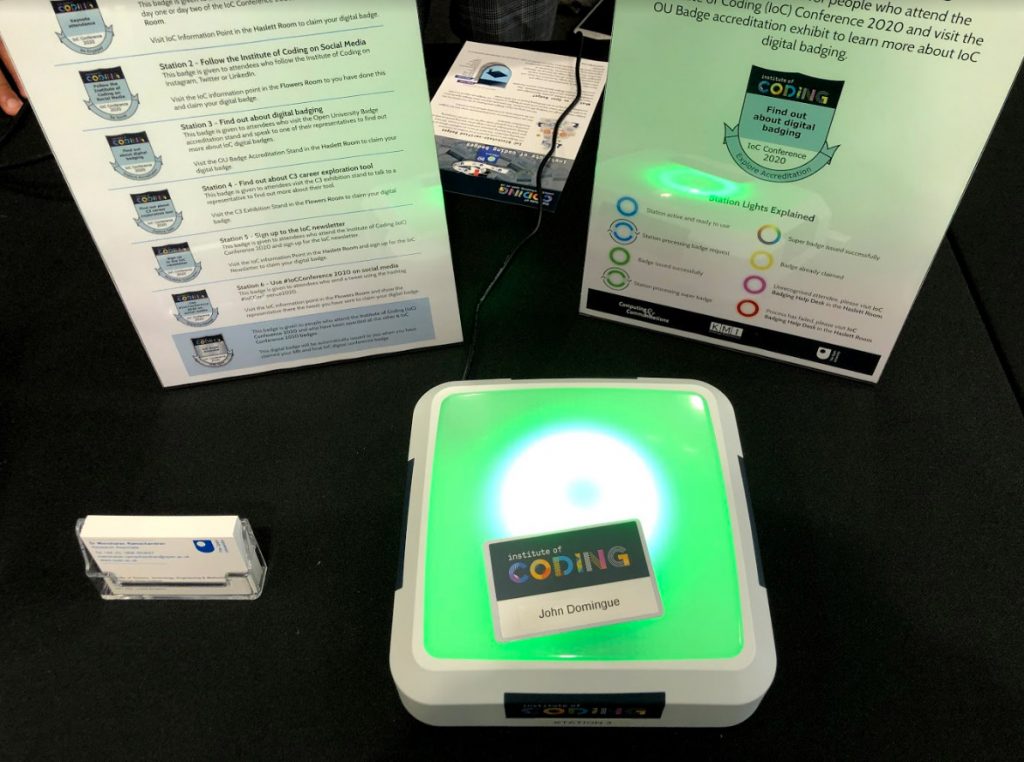
At the IoC National Conference in February 2020, KMi piloted blockchain-verified badges using Raspberry Pi-based stations. Delegates swiped their conference passes at colour-changing badge stations to collect activity badges in real time, earning credit for actions such as visiting the OU booth, following IoC on social media, and attending keynotes. This showcased a research design for physical-digital interaction, visual feedback at stations, and privacy-conscious blockchain logging across the two-day event.
Adoption and Scale
During the IoC Blockchain Badging research project
- 121 IoC badge types were created and
- 2550 badges issued to students.
A full list of those badge types can be seen here: Institute of Coding Badge Validation – Badge Types and a full list of badge issuers can be found here: Institute of Coding Badge Validation – Issuers.
Sustainability and Retirement
The platform continued beyond the original government IoC funding period so recipients could access portfolios and validation. New funding streams were not identified, and the service was eventually retired at the end of 2025. Public validation persists via GitHub Pages that publish issuer keys, revocation lists, and essential JSON needed to verify reissued badges without the original websites.
Ongoing Validation of Badges
In order for badge recipients to continue being able to validate their badges after the badging platform was retired, recipients were emailed new versions of their badges which were in the form of signed Open Badges. These badges validate against JSON hosted on a GitHub pages site, for ongoing longevity (Institute of Coding Badge Validation). All issuer details and their public keys are hosted there, as well as the badge types JSON and the IoC Endorsement JSON for those badge types.
The final versions of the IoC badges issued to badge recipients can be validated via the IMS Global Open Badges 2.0 Validator.
Please Note: IMS Global badge validation will only work for the re-issued instances of IoC badges emailed to recipients in December 2025. All earlier badges issued via the Open University IoC badge issuing platform are no longer verifiable.
If you are a badge recipient or badge validator wishing to validate badges, please visit Institute of Coding Badge Validation page for more details and support.
Links
- GitHub: OpenBlockchain
- GitHub Pages – Badge Validation: Institute of Coding Badge Validation – Issuers
- GitHub Pages – Badge Types: Institute of Coding Badge Validation – Badge Types
- GitHub Pages – Badge Skills: Institute of Coding Badge Skills – Used Skills
- GitHub Pages – Alignment Micro-badges: Institute of Coding Badge Skills – Alignment Badges
Team
- Professor John Domingue – Lead Academic
- Dr Aisling Third – Academic
- Dr Alexander Mikroyannidis – Academic
- Dr Niaz Chowdhury – Academic
- Dr Manoharan Ramachandran – Academic
- Michelle Bachler – Lead Software Engineering
- Dr Kevin Quick – Senior Software Engineer
- Tiff Leek – Senior Software Engineer
- Samantha Colclough – Software Engineer
- Harriett Cornish – Graphics
Publications
Mikroyannidis, A., Third, A., Chowdhury, N., Bachler, M. and Domingue, J. (2020) Supporting Lifelong Learning with Smart Blockchain Badges, International Journal on Advances in Intelligent Systems, 13, pp. 163-176
Mikroyannidis, A., Third, A. and Domingue, J. (2020) A Case Study on the Decentralisation of Lifelong Learning Using Blockchain Technology, Journal of Interactive Media in Education (JIME), 1, 23, pp. 1-10
Mikroyannidis, A. (2020) Blockchain Applications in Education: A Case Study in Lifelong Learning, The 12th International Conference on Mobile, Hybrid, and On-line Learning (eLmL 2020), Valencia, Spain
Chowdhury, N., Ramachandran, M., Third, A., Mikroyannidis, A., Bachler, M. and Domingue, J. (2020) Towards A Blockchain-based Decentralised Educational Landscape, The 12th International Conference on Mobile, Hybrid, and On-line Learning (eLmL 2020), Valencia, Spain
Ekuban, A., Mikroyannidis, A., Third, A. and Domingue, J. (2020) Using GitLab Interactions To Predict Student Success When Working As Part Of A Team, 23rd International Conference on Interactive Collaborative Learning (ICL 2020), Tallinn, Estonia
Eisenstadt, M., Ramachandran, M., Chowdhury, N., Third, A. and Domingue, J. (2020) COVID-19 Antibody Test / Vaccination Certification There’s an app for that, IEEE Open Journal of Engineering in Medicine and Biology, 1, pp. 148-155, IEEE
Ramachandran, M., Chowdhury, N., Third, A., Domingue, J., Quick, K. and Bachler, M. (2020) Towards Complete Decentralised Verification of Data with Confidentiality: Different ways to connect Solid Pods and Blockchain, A Decentralised Web Workshop, Taipei, Taiwan
Mikroyannidis, A., Third, A., Domingue, J., Bachler, M. and Quick, K. (2020) Blockchain Applications in Lifelong Learning and the Role of the Semantic Blockchain Blockchain Technology Applications in Education, eds. Ramesh Chander Sharma,Hakan Yildirim,Gulsun Kurubacak, pp. 16-41, IGI Global
Ramachandran, M., Chowdhury, N., Third, A., Jan, Z., Valentine, C. and Domingue, J. (2020) A Framework for Handling Internet of Things Data with Confidentiality and Blockchain Support, IoT4Safe, in conj. with Extended Semantic Web Conference (ESWC) 2020, Heraklion, Greece
Mikroyannidis, A., Third, A. and Domingue, J. (2019) Decentralising online education using blockchain technology, The Online, Open and Flexible Higher Education Conference: Blended and online education within European university networks, Madrid, Spain
Domingue, J., Third, A. and Ramachandran, M. (2019) The FAIR TRADE Framework for Assessing Decentralised Data Solutions, WWW2019 workshop: Linked Data on the Web and its Relationship with Distributed Ledgers (LDOW/LDDL), San Francisco, USA
Mikroyannidis, A., Domingue, J., Bachler, M. and Quick, K. (2018) Smart Blockchain Badges for Data Science Education, IEEE Frontiers in Education Conference (FIE), San Jose, California, USA, IEEE Education Society Publications
Mikroyannidis, A., Domingue, J., Bachler, M. and Quick, K. (2018) A Learner-Centred Approach for Lifelong Learning Powered by the Blockchain, EdMedia: World Conference on Educational Media and Technology, Amsterdam, Netherlands, pp. 1403-1408, Association for the Advancement of Computing in Education (AACE)


